
 Image 1 of 1
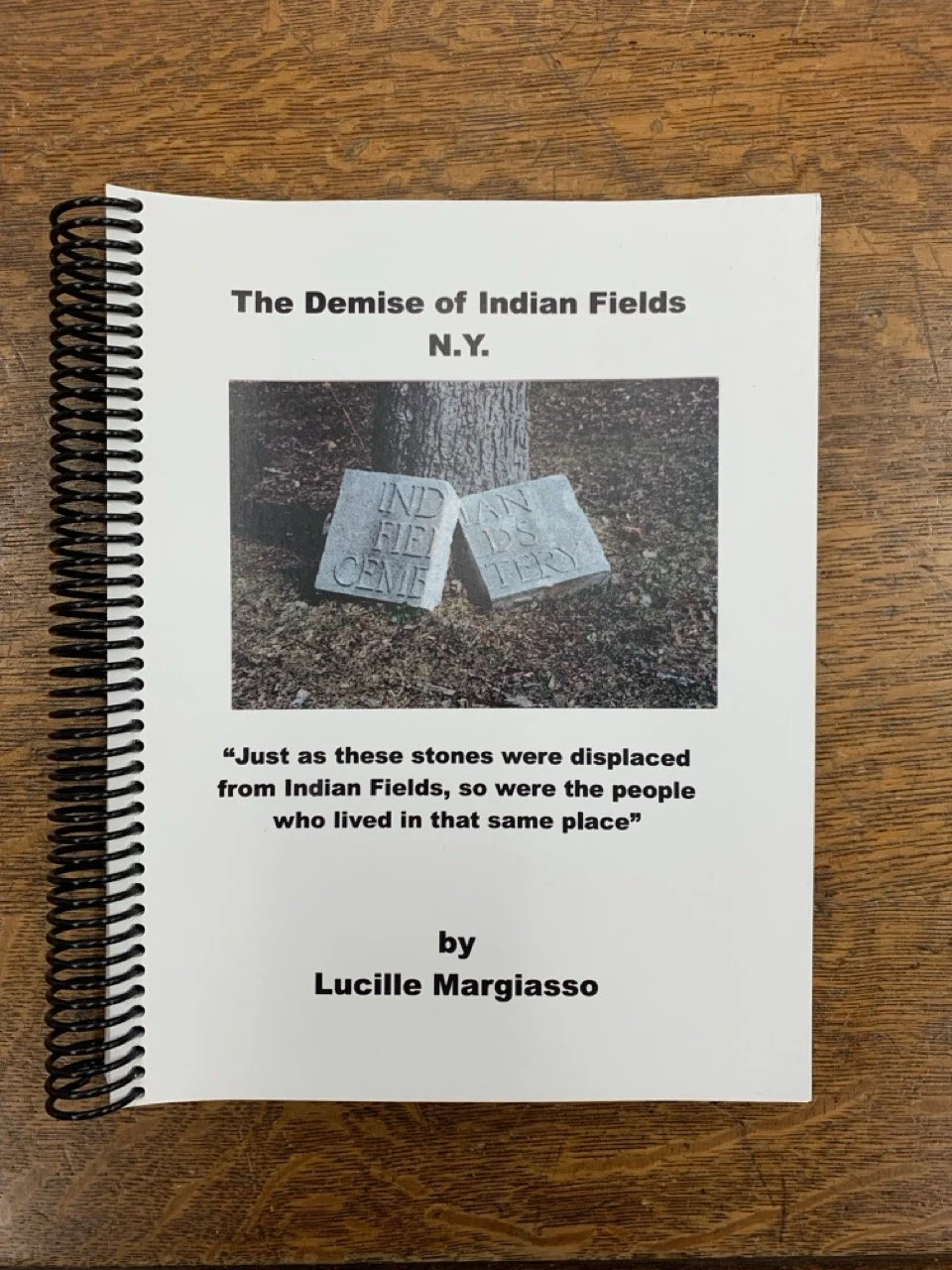
“This is a local history story set in the early 20th century that tells about the destruction of a small village in the Town of Coeymans, Albany County, N.Y., known as Indian Fields. It will discuss and present the actions taken by the City of Albany, its' Water Board Commissioners and other powerful, political influences that caused Indian Fields to be inundated.
A chapter will be dedicated to the early Native Americans that lived here in the area of Indian Fields, they were Mahicans. Their baskets and implements will be shown throughout this book.
I will try to re-create the village during the time period of 1928-1932 from the perspective of the people who lived there and were displaced from that location. Photos, newspaper articles, post cards and local stories will be used to show Indian Fields as it once was.
Creating a new water supply for the City of Albany was the ultimate goal but final decisions would cause the Hannacroix and Basic Creeks to be impounded, thereby creating a reservoir system that would erase Indian Fields from the map.
Residents watched in fear and dismay as their homes were condemned, torn down or burned, their jobs coming to an abrupt end. Westerlo history does tell us however, that at least two homes were reclaimed to their village, when Indian Fields was sacrificed for the Alcove Reservoir. Locals say one was the Britton home. I have also heard that some of the timbers from Indian Fields were used to build or repair other nearby homes. One such home was the Henry J. Wickham place, as told to me by Carol Wickham when she and I used to talk about Indian Fields.” Extracted from the prelude of The Demise of Indian Fields.
“This is a local history story set in the early 20th century that tells about the destruction of a small village in the Town of Coeymans, Albany County, N.Y., known as Indian Fields. It will discuss and present the actions taken by the City of Albany, its' Water Board Commissioners and other powerful, political influences that caused Indian Fields to be inundated.
A chapter will be dedicated to the early Native Americans that lived here in the area of Indian Fields, they were Mahicans. Their baskets and implements will be shown throughout this book.
I will try to re-create the village during the time period of 1928-1932 from the perspective of the people who lived there and were displaced from that location. Photos, newspaper articles, post cards and local stories will be used to show Indian Fields as it once was.
Creating a new water supply for the City of Albany was the ultimate goal but final decisions would cause the Hannacroix and Basic Creeks to be impounded, thereby creating a reservoir system that would erase Indian Fields from the map.
Residents watched in fear and dismay as their homes were condemned, torn down or burned, their jobs coming to an abrupt end. Westerlo history does tell us however, that at least two homes were reclaimed to their village, when Indian Fields was sacrificed for the Alcove Reservoir. Locals say one was the Britton home. I have also heard that some of the timbers from Indian Fields were used to build or repair other nearby homes. One such home was the Henry J. Wickham place, as told to me by Carol Wickham when she and I used to talk about Indian Fields.” Extracted from the prelude of The Demise of Indian Fields.